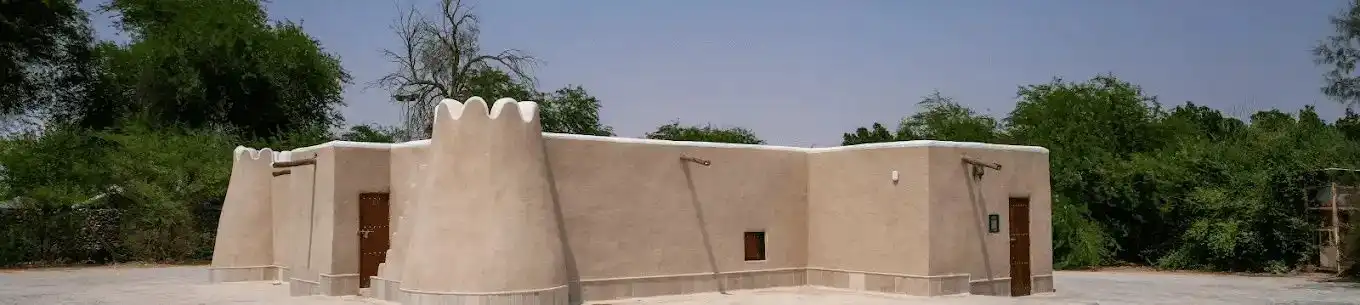
An Ultimate Guide to Jawatha Mosque


About 20 km northeast of Al Hofuf, in the heart of Al Ahsa Governorate, Jawatha Mosque stands as one of the most important historic Islamic landmarks in Saudi Arabia’s Eastern Province. Simple in appearance yet deeply meaningful, the mosque carries stories from the earliest years of Islam and remains closely linked to the Banu Abd Al Qays tribe, one of the first tribes to embrace Islam willingly.
Jawatha Mosque is often remembered for its connection to the second Friday prayer held after the Prophet’s Mosque in Madinah. Today, a visit to the mosque offers more than a look at an ancient building. It is a chance to walk through a place shaped by faith, early Islamic history, traditional architecture, and the heritage of Al Ahsa.
About Jawatha Mosque
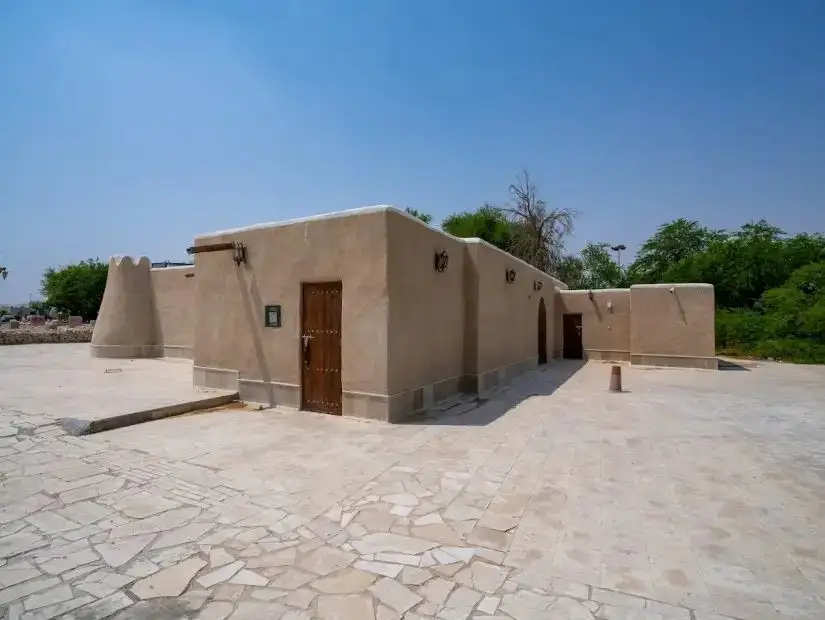
Jawatha Mosque was established in the 7th year AH, after the Banu Abd Al Qays tribe and their allies from Banu Tamim and Bakr ibn Wa’il embraced Islam. The mosque became an important center of worship in eastern Arabia and has remained a powerful symbol of the region’s early connection to Islam.
The mosque is also closely tied to the historic city of Jawatha, which once played an important role in trade and travel routes. Caravans carrying dates, agricultural products, and perfumes passed through the area, linking southern Arabia with northern regions and Mesopotamia. This gives the site both religious and cultural importance.
For visitors today, Jawatha Mosque offers a quiet and atmospheric experience. Its modest scale, historic walls, and surrounding landscape make it a meaningful stop for anyone interested in Islamic heritage and the history of Al Ahsa.
Where is Jawatha Mosque Located?
Jawatha Mosque is located in Al Ahsa Governorate in the Eastern Province of Saudi Arabia, around 17 to 20 km northeast of Al Hofuf. It sits near the villages of Al Hulaylah, Al Kilabiyah, and Al Miqdam, within the wider Jawatha area.
The mosque is easy to include in a cultural trip around Al Ahsa, especially for visitors exploring Al Hofuf, Al Qarah Mountain, Al Ahsa Oasis, or other historic attractions in the region.
Historical significance of Jawatha Mosque
Jawatha Mosque holds a special place in Islamic history. It is associated with the Banu Abd Al Qays tribe, who accepted Islam willingly during the early Islamic period. Their strong connection to faith made Jawatha an important religious center in eastern Arabia.
The mosque is also known for the Friday prayer said to have been held there after the Friday prayer at the Prophet’s Mosque in Madinah. This gives Jawatha Mosque a rare historical status among early Islamic sites.
The surrounding area is believed to include the remains of a cemetery connected to Companions who were martyred during the Ridda Wars. This adds another layer of religious and historical meaning to the site and makes the mosque an important place of reflection for many visitors.
Architecture of Jawatha Mosque
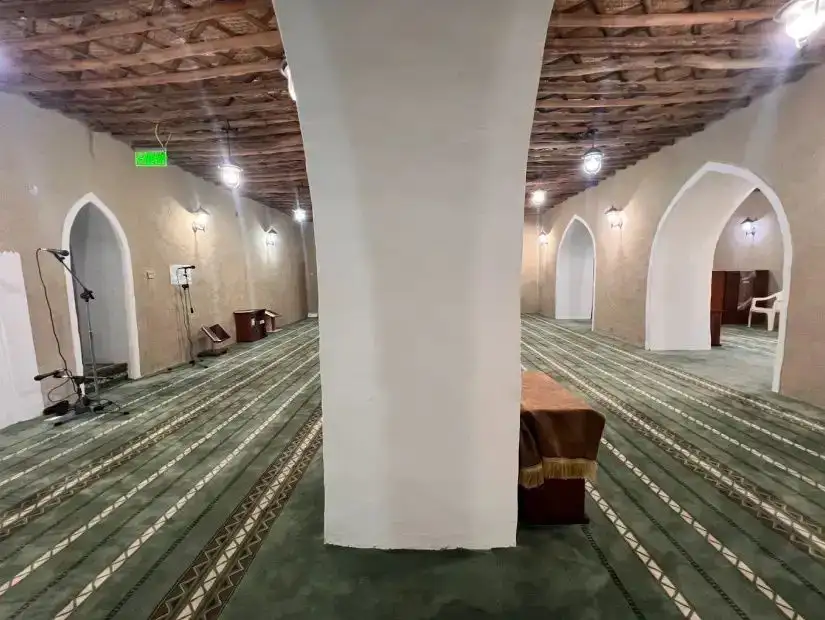
Jawatha Mosque reflects the simplicity and character of early Islamic architecture. Its prayer hall consists of three arcades, with the qibla wall facing the Kaaba in Makkah. The mosque also includes the mihrab, along with remaining traces of the minbar area and the handrail platform.
The structure combines mud, wood, and traditional building techniques that suit the climate and architectural identity of the region. Its ceiling, arches, pointed and rounded corners, and modest proportions all contribute to its historic atmosphere.
What makes Jawatha Mosque special is not decorative grandeur, but authenticity. Its beauty comes from its quiet simplicity, earthy materials, and the feeling that every corner carries a piece of Al Ahsa’s past.
Restoration of Jawatha Mosque
Jawatha Mosque has undergone several restoration phases over the centuries to protect its structure and preserve its historical identity. One of the most recent restoration efforts took place in 1430 AH as part of the Historic Mosques Restoration Program.
During the restoration, collapsed sections were carefully rebuilt while maintaining the mosque’s original character. Special attention was given to preserving the authenticity of the ceilings, doors, windows, and traditional architectural details.
These efforts helped protect the mosque from further deterioration while keeping its historic spirit intact. Today, visitors can experience Jawatha Mosque as both a preserved heritage site and a functioning reminder of the region’s early Islamic story.
Facilities and Services at Jawatha Mosque
Jawatha Mosque and its surrounding area offer several facilities that make the visit easier and more enjoyable.
Visitors can find spacious areas for prayer and quiet reflection, allowing them to experience the mosque in a peaceful historic setting. The site also includes walkways and arcades that make it easier to move through the mosque and observe its architectural details.
Informational signs and panels help explain the story of the mosque, its connection to the Companions, and its place in early Islamic history. These details are especially useful for visitors who want more context during their visit.
The surrounding Jawatha Tourist City adds another dimension to the experience, with green spaces, walking paths, photo spots, and areas where visitors can enjoy the natural setting around the mosque.
Depending on the visit period, the wider area may also include visitor services such as souvenir kiosks, educational activities for younger visitors, and organized routes for tour groups.
Things to do at Jawatha Mosque
Learn about Early Islamic History
A visit to Jawatha Mosque is a chance to learn more about the Banu Abd Al Qays tribe and their role in the early spread of Islam in eastern Arabia. The mosque’s story offers valuable insight into how Islam reached different parts of the Arabian Peninsula.
Explore the Mosque’s Architecture
Take time to observe the mosque’s arcades, mihrab, traditional materials, and restored architectural details. The design is simple, but it gives visitors a clear sense of early Islamic building traditions in the region.
Walk Through the Historic Surroundings
Jawatha was once more than a mosque. It was part of a historic city and an active stop for trade caravans. Walking around the surrounding area helps visitors imagine the role this place once played in daily life, trade, and worship.
Visit Jawatha Tourist City
The nearby Jawatha Tourist City offers green spaces, walking paths, and cultural points of interest. It can be a good addition to your mosque visit, especially for families or visitors who want to spend more time in the area.
Take Memorable Photos
Jawatha Mosque is a beautiful place for photography, especially because of its historic arcades, earthy tones, and natural surroundings. Sunset can be one of the best times to capture the atmosphere of the site.
Enjoy Quiet Reflection
Beyond its historical importance, Jawatha Mosque offers a calm and spiritual atmosphere. It is a place to slow down, reflect, and connect with a chapter of Islamic history that continues to live through its walls.
Pro tips for visiting Jawatha Mosque
- Best time to visit: Early morning is a good time to visit if you want a quieter experience and softer weather. Sunset is also a beautiful time for photography and a more atmospheric visit.
- Dress code: Wear modest clothing and respect the sanctity of the mosque. Women should wear loose, modest clothing and cover their hair inside the mosque. Men should ensure their shoulders and knees are covered.
- Photography etiquette: Photography of the mosque and its architecture is generally suitable but avoid photographing people while they are praying. Always be respectful of worshippers and the religious setting.
- Guided tours: If available, joining a guided visit can help you better understand the mosque’s history, architecture, and connection to early Islamic events.
- Bring water: Al Ahsa can be hot, especially during the warmer months. Carry water with you and avoid visiting during peak afternoon heat if possible.
- Combine it with nearby attractions: Jawatha Mosque can be included in a wider Al Ahsa itinerary with places such as Al Ahsa Oasis, Al Qarah Mountain, and Al Hofuf’s historic areas.
- Allow time for the surroundings: Do not rush the visit. The mosque itself may not take long to explore, but the surrounding area adds context and makes the experience more complete.
Jawatha Mosque is much more than a historic mosque. It is a place where faith, early Islamic history, traditional architecture, and the heritage of Al Ahsa come together in a quiet but powerful way. Its simple structure and deep historical roots make it one of the most meaningful sites to visit in the Eastern Province.
Whether you are interested in Islamic history, cultural travel, or peaceful heritage sites, Jawatha Mosque offers a memorable stop that adds depth to any journey through Al Ahsa. If you are planning to visit the region, you can book your flight to Hofuf on WINGIE and choose the best fares your next adventure.
You may also like:

